The Sea, The Sea

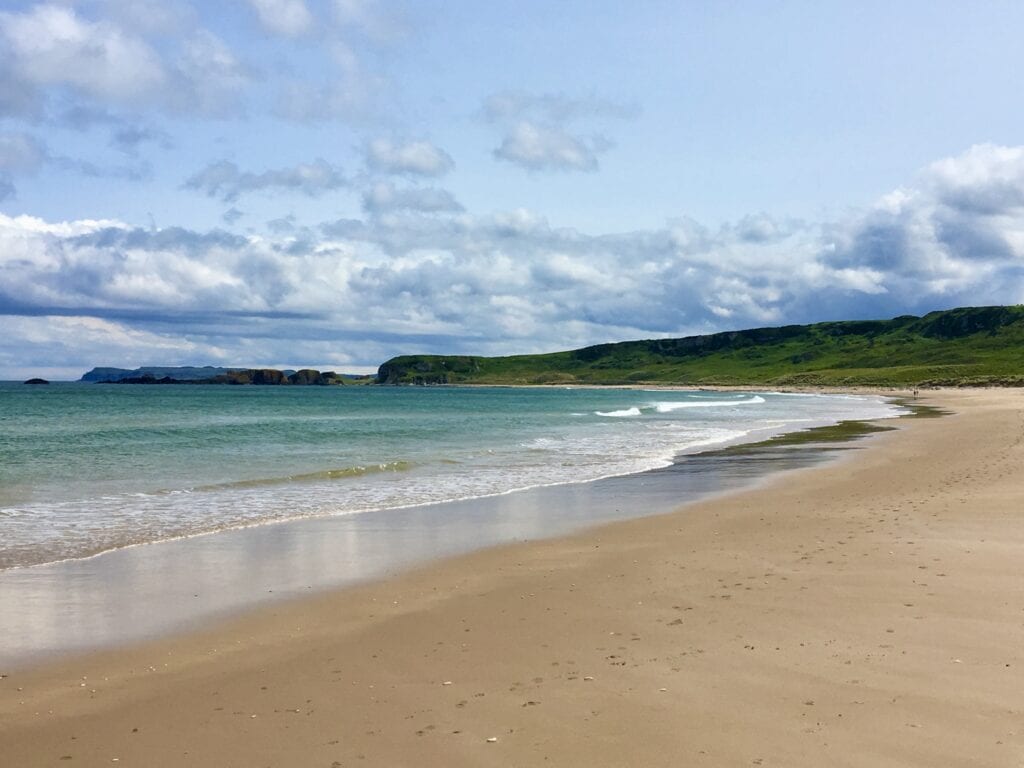
Whitepark Bay

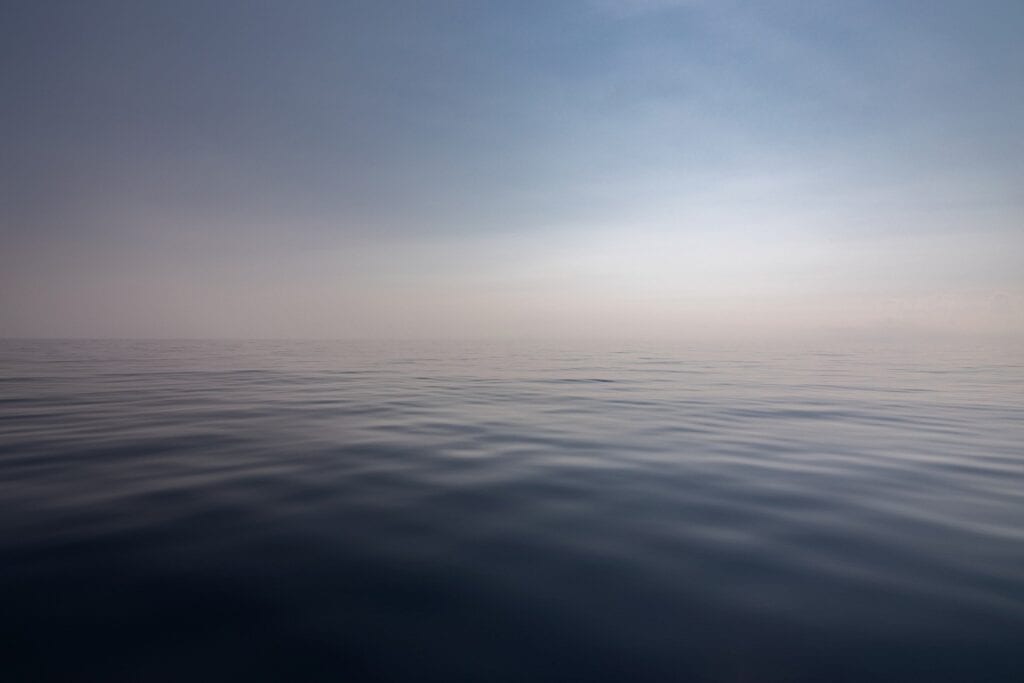
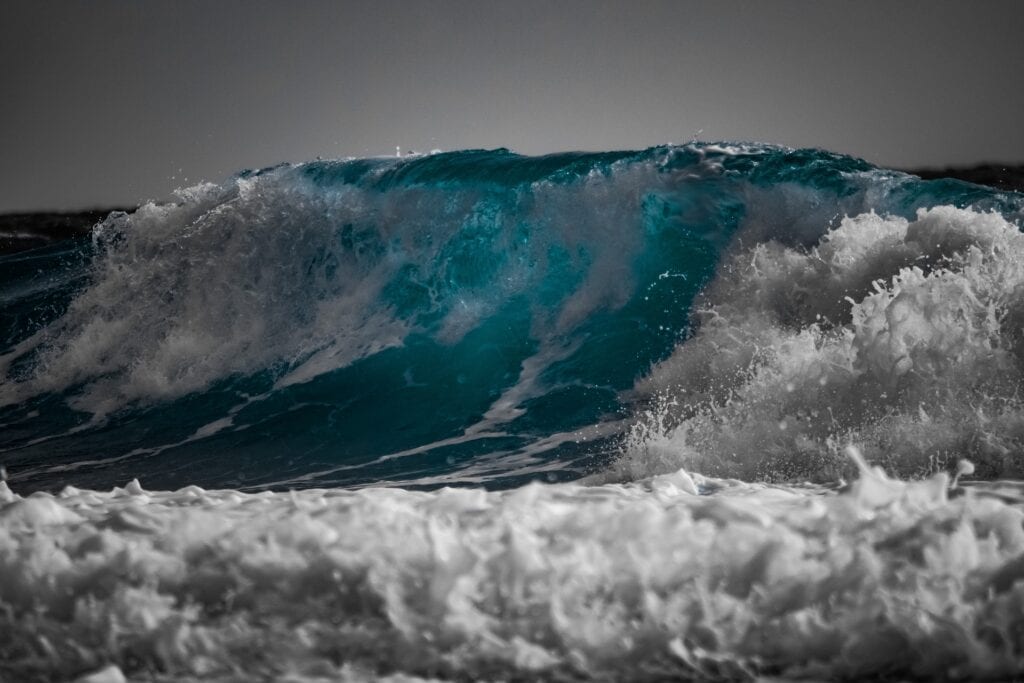
I miss the sea. Trips to the shore have been less frequent lately and I’ve noticed a distinct gap in my soul. Standing at the water’s edge, watching waves curl, listening to gulls shriek, feeling wind in my hair – really, there’s nothing like it. Most of all I miss Whitepark Bay on the north coast.

Why are we humans drawn so often to the four elements? I could watch a flame flicker for hours too. It’s as if we’re connecting on some level with our ancestors, or maybe we’re aware in those moments that we are small and our time here is short. After all, this is a blue planet.

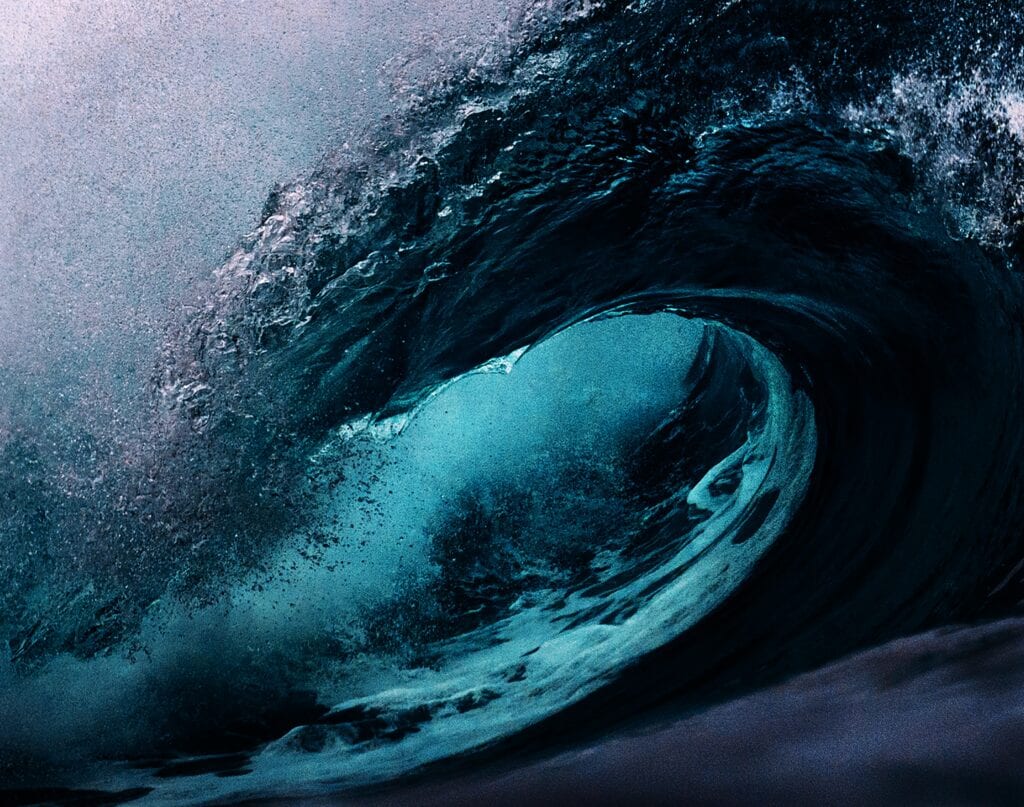
Watching a gentle tide lapping is hypnotic but a wild sea crashing onto rocks is somehow fearful. The majesty shakes us out of ourselves and brings ancient wisdom to daily human foibles.

The myths and legends that are attached also call to us: the shining palaces of Atlantis in the depths, a mermaid’s long hair and haunting song, Poseidon’s trident. Greek, Celtic and Norse myths are all swimming in the sea, ruling over it atop white horses, and us puny humans can only dream of being so powerful.

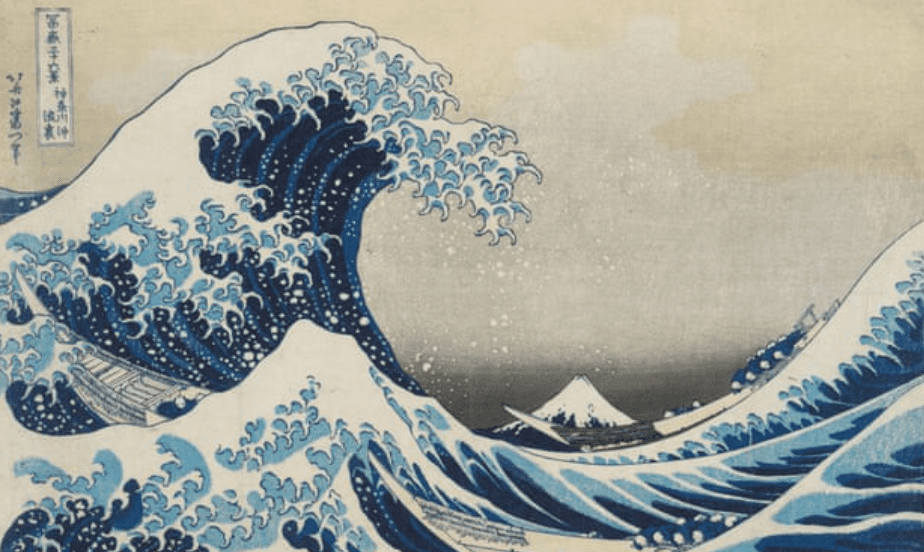
Those dreams tend to translate into art instead. There are countless novels, paintings and poems in which the sea is the protagonist. There’s something inherently pleasing about Hokusai’s famous wave paintings from 1830’s Japan. Also pleasing are novels where the sea is a character in its own right: try John Banville’s ‘The Sea’ or Iris Murdoch’s ‘The Sea, The Sea’ (Iris clearly wondered why have one sea when you can have two?)

Hokusai’s ‘Great Wave’ Photo: British Museum

Writers and artists have tamed the wild beast and captured it for us to enjoy from a safe distance. But there are still those who, like the medieval men who first stepped off the shore to find new worlds, wish to fight it.

Surfing giant waves or making solo yacht journeys around the globe are surely an attempt to face a mighty foe and win. But the sea is a wild creature that merely puts up with those tiny figures on occasion. It will win in the end. Maybe that’s why we’re so drawn to the vast swathes of blue, whether within its arms or safe on shore.

In its presence we defer to something bigger than ourselves and it feels comforting somehow. An ancient sound and sight that shrouds us in fearful calm – someone else is in charge here.

I’m surely not alone in hearing the call of the sea most days. I can’t wait to answer.

A Walk in the Woods

Going for a walk is so much more than just forward momentum or aiming for a destination. It’s your state of mind that usually asks your feet to get moving. Who’d have thought that placing one foot in front of the other would have such mental health consequences?

So in honour of National Walking Day I’ve complied a list of my favourite walks. In ascending order:

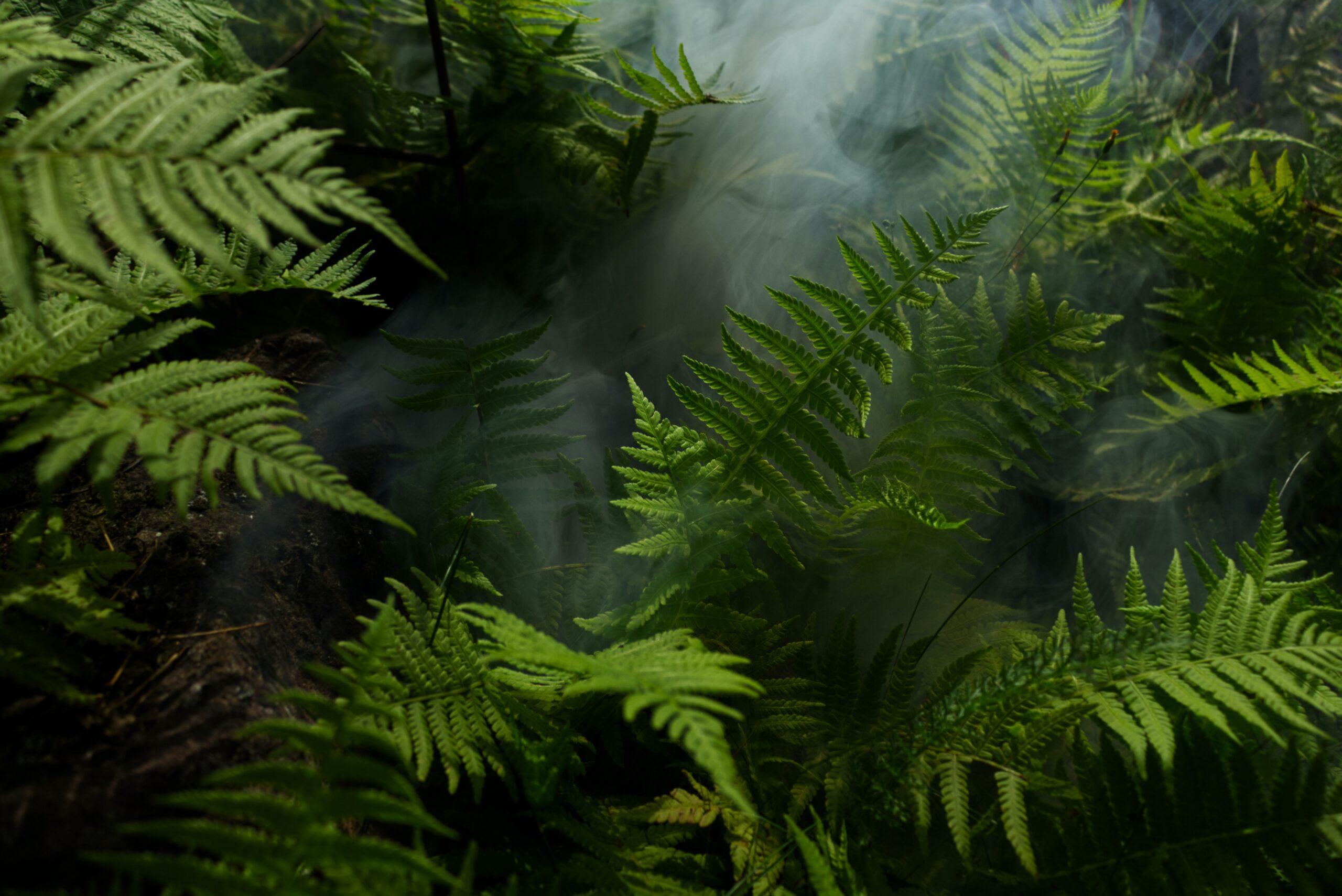
5. In at number five is the Blackhead path at Whitehead – recently re-opened just in time to allow lockdown-easing jaunts along the path; waving hello to sleeping bats in the caves, climbing hundreds of steps to stand beside the lighthouse looking out at the pier disappearing into lough mist. It’s official: I heart lighthouses.

4. Non-mover at number four is the route from Dunseverick Castle to Whitepark Bay via Portbraddon at the Causeway coast. Oh how I miss the north coast! Nothing can compare to causeway waves and that big, grey sky.

3. New entry at number three is a rainy saunter around Père Lachaise cemetery in Paris, preferably with autumn leaves strewn romantically about the place. A haunting and hallowed place all its own.

2. Not able to push number one off the top spot but holding firm at number two is a walk in the woods at Mossley Mill in Newtownabbey. Put simply, this place kept me sane during lockdown. A wee gem in the neighbourhood. 

1. Nothing can shift this from the number one slot – it’s the Norwegian glacier at Dalsnibba. Astonishing viewpoint over the fjords, bright green glacial melt and a sense that nowhere else on earth is this beautiful. And was that a wolf howling in the distance?

To all five, from the bottom of my heart and the top of my head, thank you.

Why do nice plants hate me?

I’m in here!

I’ve always loved the idea of living in a jungle, nothing but birds and wild creatures for company. I was inspired (scarred?) by ‘Gorillas in the Mist’ as a child and imagined a future life as a kind of Mrs Dolittle who could live in a cave and go a bit wild. My friendly gorillas would protect me from harm and we’d all have a great old time.

Ah, the innocence of childhood dreams. Instead of becoming an explorer I stayed put, finding jobs here and there (none of which involved animals of any kind never mind Rwandan silverbacks). And anyway, Dame Jane Goodall – official legend – has primate expertise covered.

So what’s left? The jungle. I grew up in a house filled with books and plants, walking along the hallway would invariably involve getting poked in the eye with a spiky leaf, so I assumed there would be something in the genes that would make me green-fingered. Mum is great with plants so shouldn’t that pass down the generations?

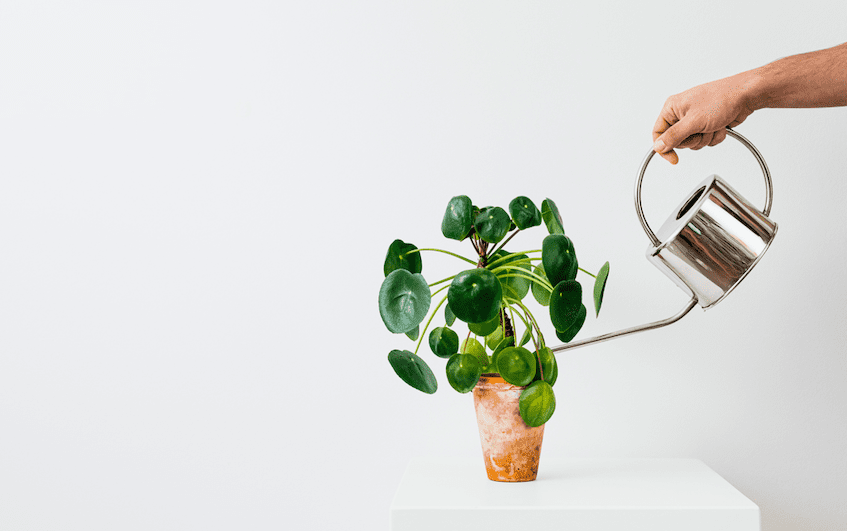
Turns out: no. Over the years I’ve brought countless plants home and lovingly tended to them (on one memorable occasion even talking to one) but to no avail. All too soon the leaves wilt, drooping down in despair that they were the unlucky ones to end up in my house. On especially melancholy days I picture the scene in the garden centre as plants nudge one another and close their eyes in the hope that I won’t choose them. I’ve tried using less water, using more water, pretending I don’t care (as if the offending plant is a cat and I can tempt it to love me by feigning indifference), and pleading with them to stay alive.

Nothing works. But somehow one grew tall and strong and healthy and I would tip toe past, genuinely impressed, resisting the urge to reach out and stroke a leaf in case it recoiled at my touch. This outlier now resides with Auntie Anne (who selflessly stored all our stuff during the year out) and it is the happiest plant in all the land – it even sported tiny lights during the winter. 

So I have no greenery to speak of in the house, no seedlings waiting to hatch, and no gorillas either. But the garden is another story, it’s bursting into life right now with daffodils and primroses and tulips all showing their faces after a long winter. 

The view from the shed is endlessly delightful. Birds taking a bath in an old tin container, bees bumbling in the wind, seagulls dive-bombing crows on neighbours’ rooftops. And look at those yellow flowers – maybe I’m an outdoor explorer after all?

Yours Sincerely

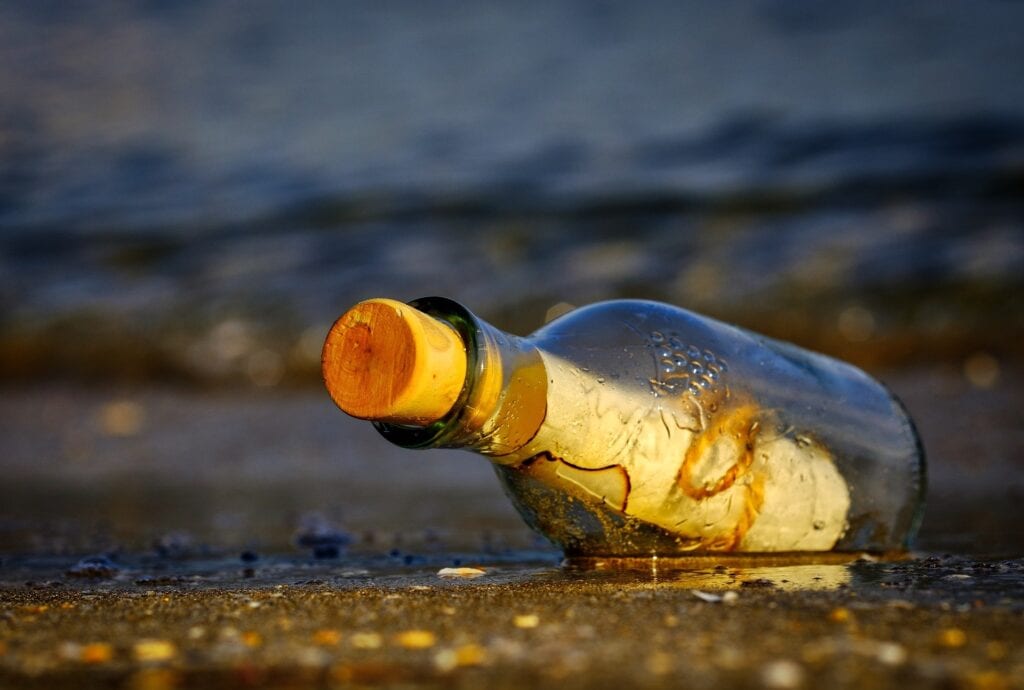
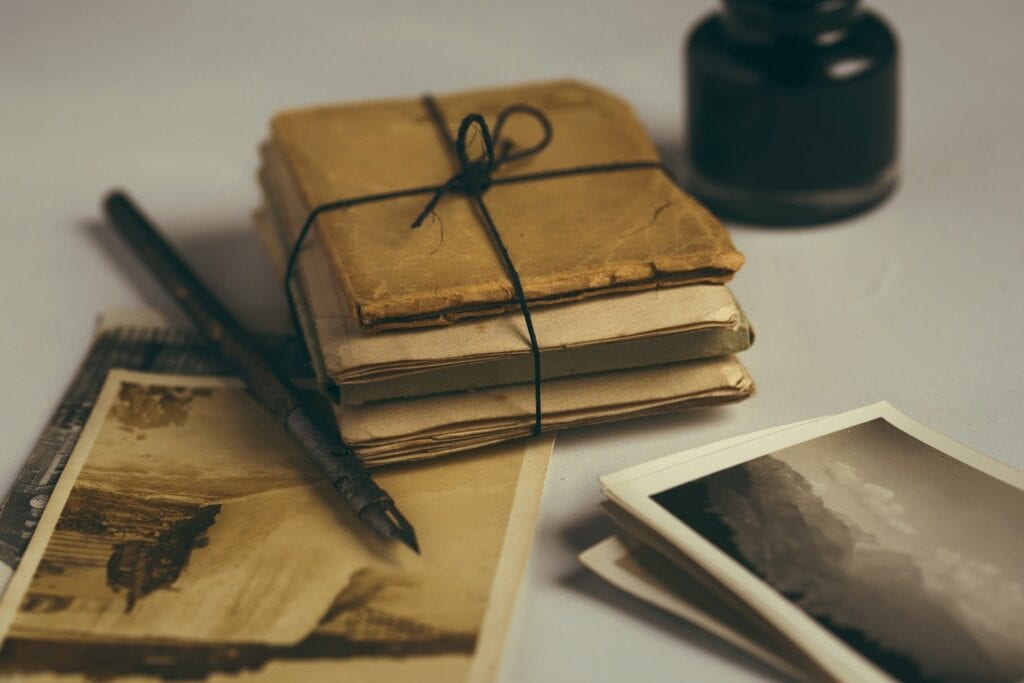
I got three letters this week. Real, three-dimensional things, on paper and everything. It was thrilling. There amongst the bills and dull life admin were things worth opening and taking time over.

Letter-writing is something special – it’s a lost art and we’re the sadder without it. Pen pals aren’t really a thing anymore, we send emails or WhatsApp messages or texts. Of course, we could blame technology for taking over and making us set down our pens, but it seems likely that most lost arts are prone to neglect as the years pass by.

Also likely, I hope, is that the ebbs and flows of their fortune will soon bring them to our notice once more. Lockdown life has reminded us of small joys and the importance of taking time to reflect and think of others – all involved in the process of letter-writing. Sharing an epistle is joyful – for the sender and recipient alike.

And there’s lots to like. Snail mail, as the name suggests, is slow and thoughtful. Personal handwriting is intimate in a way that screen typing can never be. A letter can’t be deleted, instead, it can be treasured and wrapped up in a ribbon to peruse over and over again (I have hundreds of letters that Chris and I wrote to each other in the nineties when we were at different colleges, massively embarrassing to read now but also somehow meaningful and emotional). Even the walk to the postbox is an opportunity to get outside, listen to the birds, feel the wind in your hair. Then the wait to hear back which feels precious in our instant-gratification world. It’s a centuries-old tradition and tapping into it feels as if we’re following ancestral footsteps (even if it’s with a Bic biro rather than quill and ink).

I once spent well over two hours dipping one of those quill pens over and over in order to produce two small pages of a letter to my friend Gillian, the wax seal on the envelope finishing the job. I was Jane Austen for an afternoon – what could be better? The ink-stained hands were a trophy.

Those dripping wax seals. A scroll unfurled. Ink blotches on animal skin parchment. Japanese calligraphy. A crisp, empty sheet. Silver letter openers that slice pleasingly along the edge of an envelope. That moment of recognition when the date stamp or handwriting tells you about the author and what lies within.

Do something different today: pick up a pen, find a piece of paper, and see what happens. Loved ones out there are waiting for your letter – they just don’t know it yet.

Three Things I Learned from Saint Patrick

What would Saint Patrick make of the world today? I often picture his sad shake of the head when he sees rivers turned green, Guinness spilling onto the street, leprechauns running towards pots of gold.

We get things wrong time and again. But Patrick knew a thing or two about the human condition; from shepherd to slave to saint. Somehow his capacity for hope was never dimmed as he held onto faith with both hands, even in the darkest times. And out in nature is when I hear him most clearly, his monastic spirit is everywhere outside: in the call of gulls, in the gust of wind, in the crash of waves. Ireland seems to breathe him in and out.

When I create a daily rhythm that starts the day with prayerful focus I can find inner strength that is otherwise hidden and a reminder that I am a beloved child. “I bind unto myself today” is surely the most important phrase ever written – a ‘bind’ that holds us tight and then sets us free.

Three Things Saint Patrick taught me

1. Nature is healing

2. Hope and faith go hand in hand

3. “I bind unto myself today…”

I’m forever grateful to him.

A reading of a portion of Saint Patrick’s Breastplate