Mercy

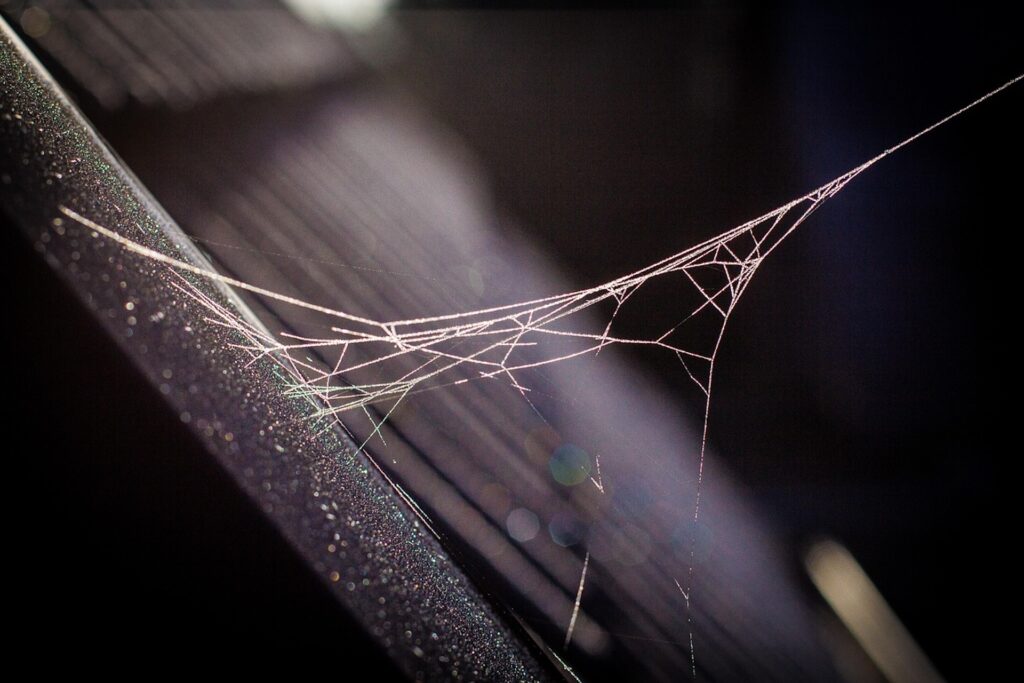
There are cobwebs all over the place lately, in the writing shed, yes, but in the house too. I was cooking dinner the other day and had to sweep aside layers of cobweb to reach the olive oil on the top shelf (and could hear Granny’s horrified intake of breath) and admitted that I really should do a deep clean of the kitchen soon. It was like Miss Havisham’s attic. I’ve always loved spiders and feel terrible about vacuuming up their homes, double checking that everyone in the eight-legged family has moved out. 

A few days later, while hanging out some laundry on a rare sunny day, I heard a loud humming noise, like a generator, coming from the writing shed. It sounded like a lot (a LOT) of buzzy insects. Sure enough, when I made my way towards the open door, I thought I saw a swarm of wasps. I stepped back and then just watched them. Hundreds and hundreds of honey bees, I soon realised on closer inspection, were clambering all over the desk and chair and roof, and despite an unconscious recoil of fear, I knew instinctively that they meant no harm. They were simply lost.

Perhaps they had moved with their queen to find a new home, or maybe they had been thrown out of the hive and had to find somewhere new to live. The noise they made! It was enthralling to watch. As twilight arrived a few hours later, I looked into the shed and saw that they had indeed moved on. New homes beckoned.

Like us humans, insects and arachnids need places to live, to find somewhere to call home. I’m always glad when I leave them in peace to continue their busy days. It’s a small thing, but making time to be part of their lives and watch their fascinating behaviour has been keeping me sane.

The world is not kind right now, abuse of power is normalised while compassion seems beyond our sights. But I know that in small ways all around the globe there are people who are full of love, who find meaning in holding the hand of a loved one, who seek first the good in another person. We don’t hear about this love, but it exists. 

Understanding the World

I missed the train recently and it just so happens that a gorgeous indie bookstore is on down the road from the station, so what was I supposed to do? Wait for half an hour on the cold platform?

The problem is that I can’t visit No Alibis in South Belfast without buying something. I’ve tried. And even though I know this to be true, I still pop in with an innocent and deluded belief that, this time, I will leave empty handed. My TBR pile is teetering dangerously next to my bed, I remind myself. I don’t need more books, I think, as I step over the threshold. Ah, but look at them! All laid out with their beautiful covers nestling next to one another like old and new friends. One more wouldn’t hurt, would it?

On this particular day I had been chatting with a friend about the state of the world (it’s awful) and how I don’t understand what’s happening. We parted with drooping shoulders and then I missed the train and got even more annoyed. So as I scanned the bookshelves (convinced I wasn’t going to buy anything) I could hardly believe the title of one of the staff recommendations. ‘When We Cease to Understand the World’ by Benjamin Labatut was shining like a beacon and telling me to pick it up so, with barely a glance at the blurb, I took it to the till. This would fix my philosophical failures, I thought, as I made my way to the station.

I started to read on the journey home and was immediately transfixed. It’s unlike anything I’ve ever read, sitting between non-fiction and fiction, and I ate it up in two days. It’s dystopian and frightening and weird and engrossing. My quantum mechanics aren’t great (who’s with me?) but there was Schrödinger and Heisenberg alongside Einstein and Oppenheimer as they make discoveries that reach forward into a bright future full of new knowledge and yet all the while they are putting our world (and the humans within it) at terrible risk. Somehow these characters are only half-alive, both real and fictitious. Parts of my mind opened up that had been long-closed (or perhaps had never opened).

In case it’s not obvious, I can’t really describe it, and the Booker Prize judges agree. It’s odd. When I set the book down I took a deep breath and did indeed feel a bit better about the world. Perspective in a crisis really helps and stepping back to look at the universe from afar makes my problems very small indeed.

Love at First Sight

Photo by Raindrops Photography on Unsplash

When love comes knocking you’d better be ready. It usually arrives when you least expect it, when you’re not even looking, maybe when you’re soaked to the skin while running past a shop on the way to get some fancy local cheese. You’ll come to a sudden halt, stare at it in the window, and know, suddenly and clearly, that this is meant to be.

I’ve always believed that art can change our lives. It can reach those dark parts of our hearts that have long since closed. But cynicism, anxiety and a general helplessness about the world these days was starting to take over. I scoffed at small joys, I was suspicious about good news, and I even wondered if artists had had their day. And then a surprising moment with friends brought it all home – we need art now more than ever.

The weekend at the north coast was filled with good chats by the fire and long walks on the beach as we did the usual dance with the Northern Irish weather – coats on and off and then on again. It was all very lovely. And then after lunch one day we took off in the pouring rain to visit a local cheese shop (it’s what you do on holiday). All four of us were running through puddles when I suddenly noticed that we were now three, Adam was no longer there. We looked through our hoods to see him standing stock still in front of a shop window. What was going on? The answer is simple and one of the oldest answers in the world – he had fallen in love. 

We soon saw that the wonky, cute (and downright odd) sculptures in the gallery window had thrown Cupid’s arrow, hitting their target right in the heart. Adam was a goner. We followed him inside, thinking that once the price was revealed he might change his mind, but nothing was going to stop him now. He happily parted with his hard-earned cash and took hold of the big cardboard box with an even bigger smile on his face. It was quite a moment.

Adam still has no idea why these little creatures connected so powerfully with him, he just loved them that rainy day, and loves them still. Every time he sees them on the windowsill he smiles. And it is enough. This is what art can do, and in a dark world it’s often the only light.

Infectious

I was staying at a cottage by the sea last month and took a cuppa out into the garden to enjoy the silence. It was going well until a sudden and repeated thumping noise arrived from the kitchen window. I was startled but also annoyed. What was disturbing my precious peace? 

I looked towards the window and saw that a swallow had become trapped inside the cottage and was desperately trying to get out. Her wings were beating furiously against the glass and at once I felt anxious, almost in a panic. I ran inside to try to help and saw that there were two birds flying low against the ceiling and trying again and again to get out the closed window. My heart rate jumped even higher as I opened windows and doors and tried to gently coax them out. Eventually (maybe swallows are smarter than I thought) they both swooped out the small gap in the window and all was well. 

I couldn’t work out why I felt so panicky when they were flying around inside, it was as if I was picking up on their fear. This happens all the time, of course, as we humans interact with one another. There are hidden emotions, things unsaid, thoughts and fears and dreams and hopes fly all around us in ordinary conversations. These invisible and silent things come to land eventually. Some people pick up on others’ feelings more easily, but it’s incredible to think that we can influence another person – for good or ill – simply in how we behave while we’re in their presence. 

When I worked as a reading group leader in prisons there was often a very tense atmosphere in the room – invisible and unspoken issues had made their presence felt and affected everyone. At some point, I came to understand that I needed to project a sense of calm into the room when this happened, purposefully and with intention. It could be something as simple as slowing down my own breathing, but soon enough this peaceful projection found its way and settled on everyone’s shoulders. Sometimes the change was like night and day as we all took breaths and let our shoulders drop. “You’re very calm, miss,” was the response one day. I smiled and let the quiet continue to work its magic. 

We affect one another in so many ways, and so many of these ways are not even visible or easy to contain. We might beat against the window in desperation and wonder why everyone around us is anxious and scared. Or we might take deep breaths and bring a sense of calm to those nearby.

Capacity

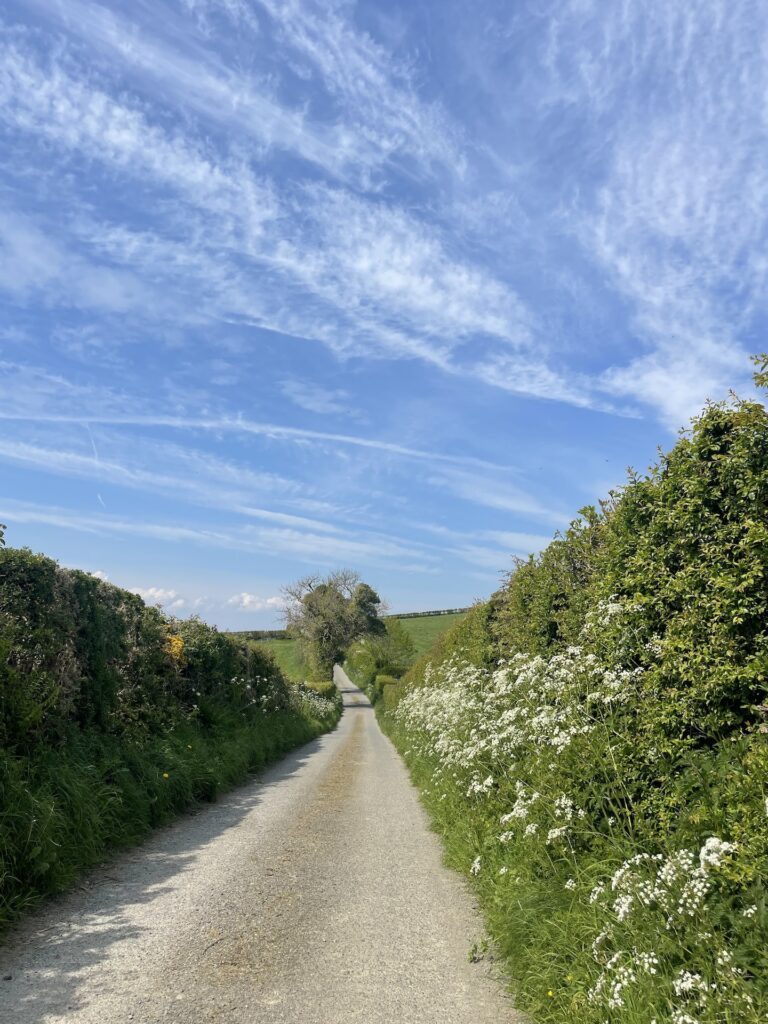
Going for a walk during my writing retreat at The River Mill, Downpatrick

Having recently experienced an enforced re-start due to job loss, I couldn’t help but notice that despite initial anxiety and sadness, my capacity increased almost immediately. Following several months of stress at work (and knowing deep down that all was not well with the project funding) I hadn’t realised that I was withdrawing. It was little things at first: saying no to invites from friends and feeling like I was moving in slow motion. Then it was bigger things: feeling flat about something that usually brought me joy, being easily irritated, sighing a lot.

In short, I was not myself.

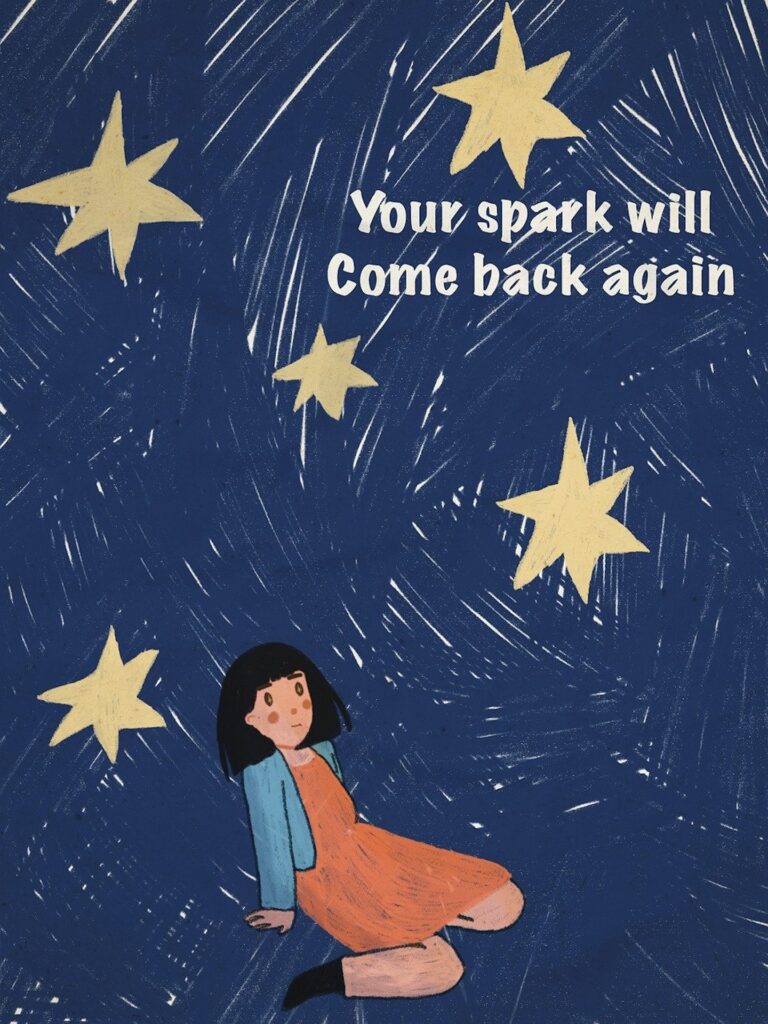
When I cleared out my shelves of all the printed stories and poems – the ones I had brought into prison groups over the last few years – I finally accepted that my dream job was over. Being able to show in practice what literature can do, even in the darkest place, was honestly one of the best things I could have done with my life. With The Reader (they read! for work!) I had found my tribe. So as I nudge forwards towards the next chapter, I’m grateful that my capacity for joy has returned. I notice things. I laugh easily. I can breathe again. We tend to sit under clouds and hardly notice that the sun is no longer shining. Days become days and the world turns.

Image by Nini Kvaratskhelia on Pixabay