Silence is Golden

Pipe down out there. Life is loud, there’s no denying it: traffic, roadworks, dogs – it’s all happening. Silence is becoming so unusual that it’s almost mythical, the thing a lot of people long for but don’t know how to capture.

Noise pollution is a major concern, especially for city planners. Excessive noise can affect physical and mental health with heart disease, stress and sleeplessness on the increase. Even wildlife is affected with birds unable to hear a mate’s call.
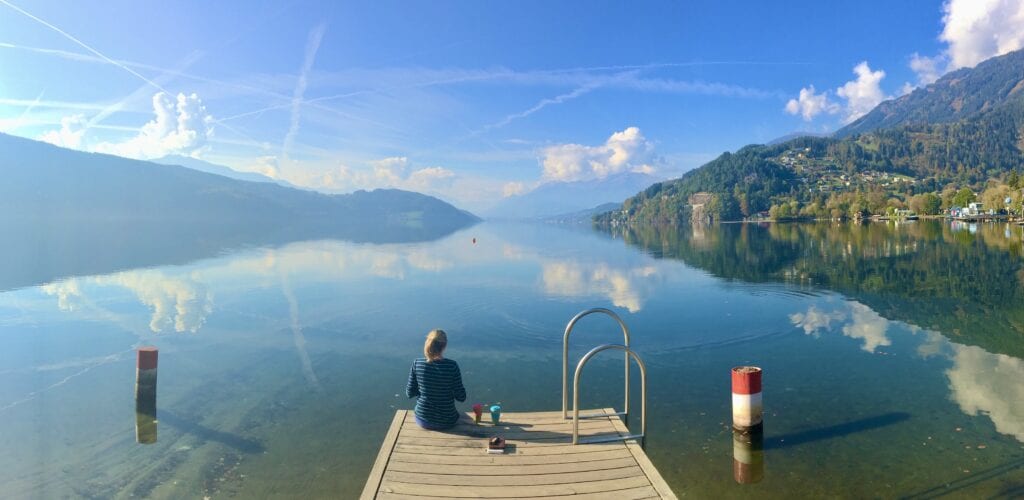
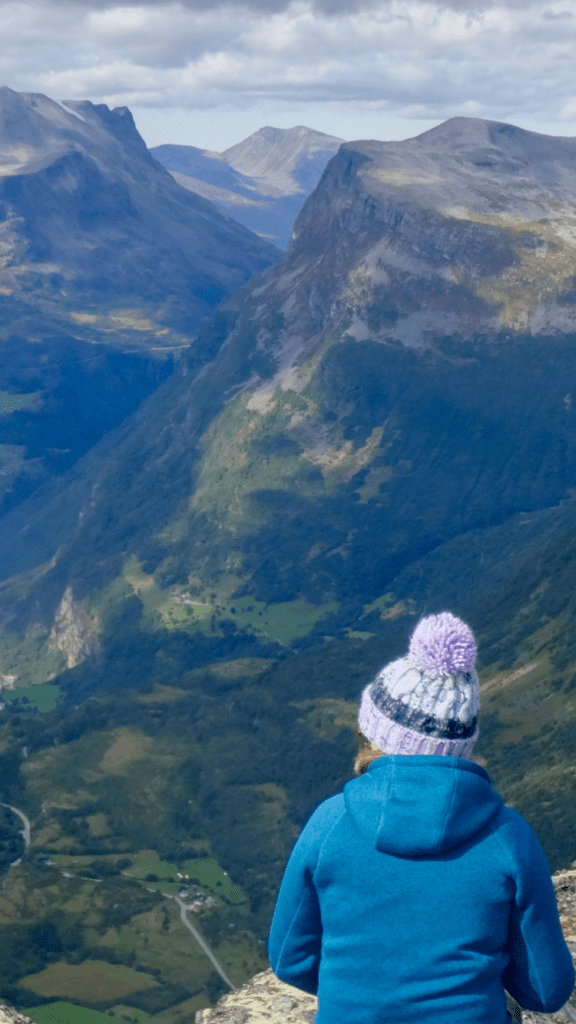
I’m sitting by a lake in Austria. It was VERY QUIET.

You’ll probably not be surprised to hear that I love things to be quiet. I don’t mind those awkward silences in conversations either. We’re all wired differently, of course, but I’m one of those people who can’t really function without it. 

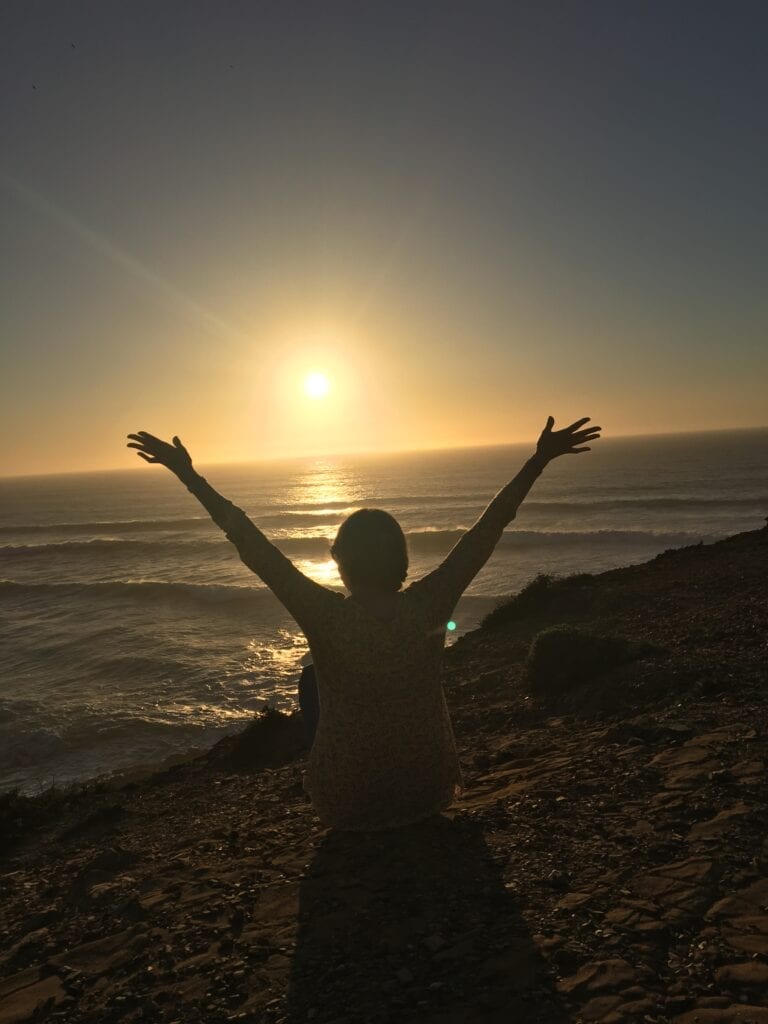
I went on a silent retreat to Corrymeela some years ago and felt as if I’d fallen into a pool of calm. No small talk chit-chat over the shared dinner breaks, no need to fill the gap, the pressure to talk taken away. It was glorious. 

And incredible things happened. For the first day or so I felt strange, hardly recognising myself. Who am I when I’m not talking? Uncomfortable truths started to emerge too, as if they’d been shouted down for years and had never been able to speak up. I looked at them, looked at the sea, and sat still. I was turbulent yet calm, settling into it and feeling my shoulders drop as my breath deepened. And I know that God sat next to me in this stillness.

This is the power of silence. It is full, meaningful, precious. It is both heavy and light. It’s no coincidence that as a society we hold a minute’s silence when the need arises to reflect and remember. Or the therapeutic intervention that sits in the room with someone who is in pain and says nothing – when words fail, silence speaks. 

Peace and quiet go hand in hand. Finding stillness in the rush of modern life is challenging but even a few minutes here and there can allow us to catch our breath. 
Silence is golden. Let it shine.

The Sea, The Sea

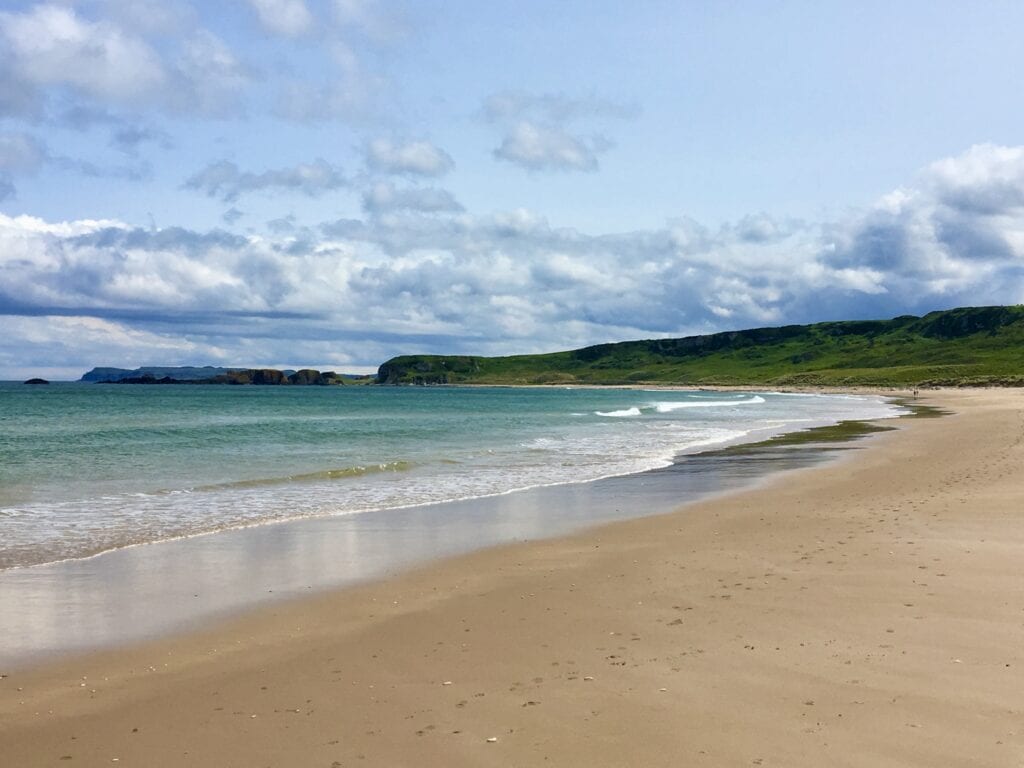
Whitepark Bay

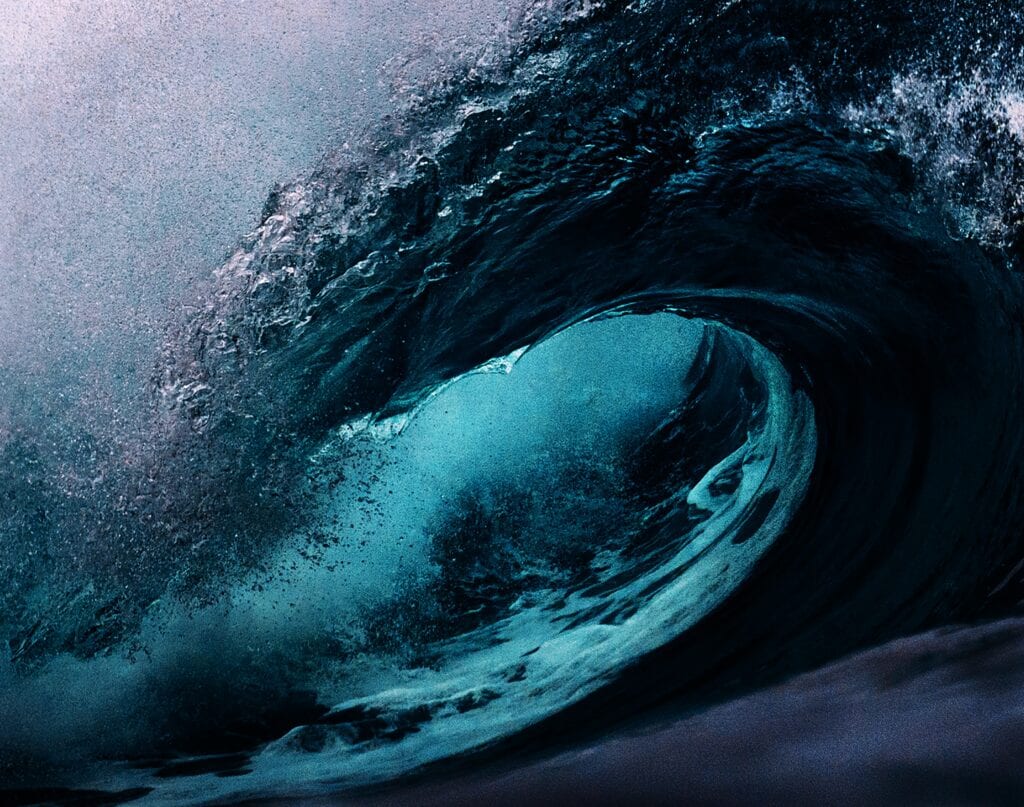
I miss the sea. Trips to the shore have been less frequent lately and I’ve noticed a distinct gap in my soul. Standing at the water’s edge, watching waves curl, listening to gulls shriek, feeling wind in my hair – really, there’s nothing like it. Most of all I miss Whitepark Bay on the north coast.

Why are we humans drawn so often to the four elements? I could watch a flame flicker for hours too. It’s as if we’re connecting on some level with our ancestors, or maybe we’re aware in those moments that we are small and our time here is short. After all, this is a blue planet.

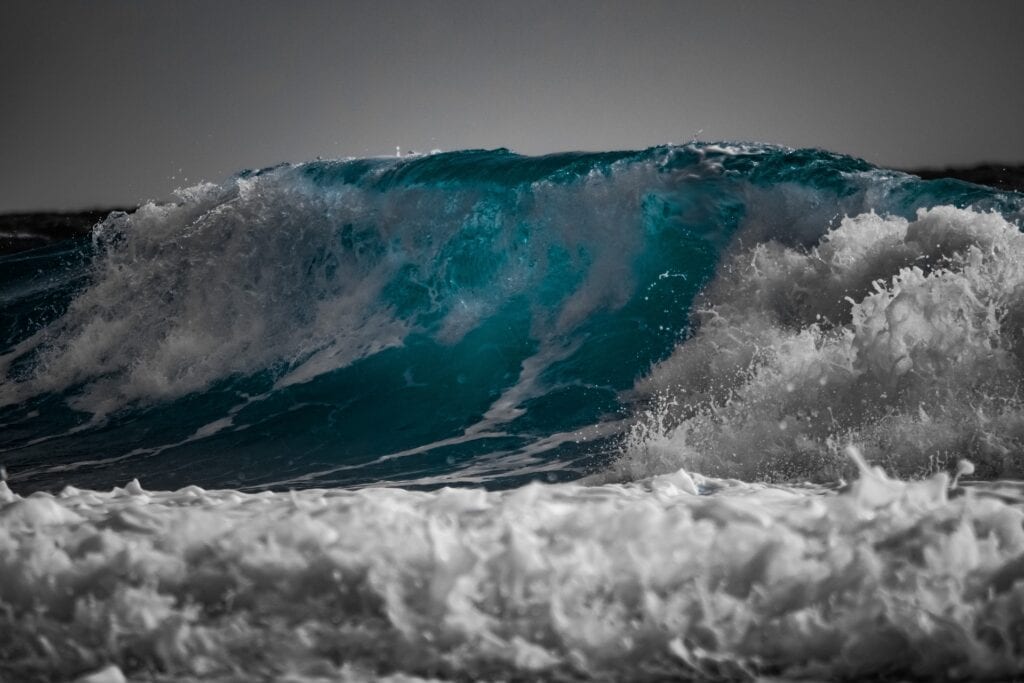
Watching a gentle tide lapping is hypnotic but a wild sea crashing onto rocks is somehow fearful. The majesty shakes us out of ourselves and brings ancient wisdom to daily human foibles.

The myths and legends that are attached also call to us: the shining palaces of Atlantis in the depths, a mermaid’s long hair and haunting song, Poseidon’s trident. Greek, Celtic and Norse myths are all swimming in the sea, ruling over it atop white horses, and us puny humans can only dream of being so powerful.

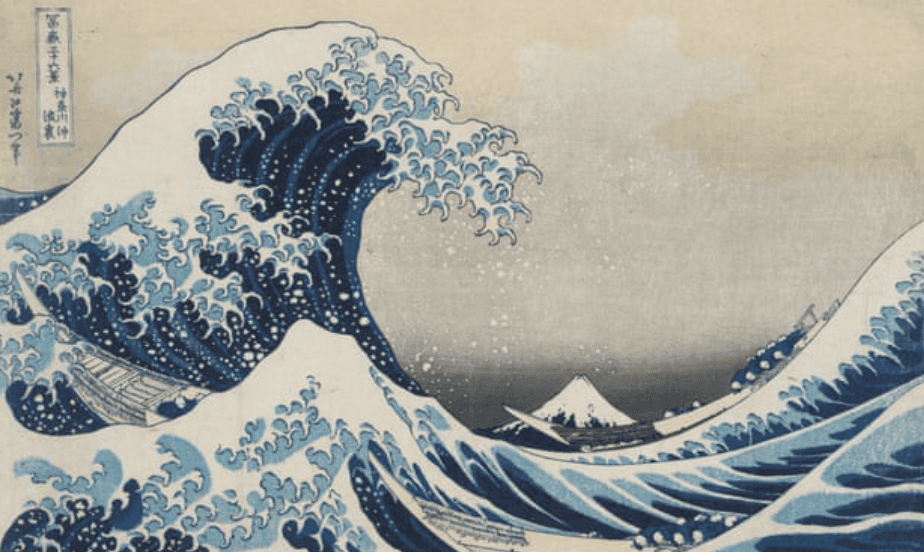
Those dreams tend to translate into art instead. There are countless novels, paintings and poems in which the sea is the protagonist. There’s something inherently pleasing about Hokusai’s famous wave paintings from 1830’s Japan. Also pleasing are novels where the sea is a character in its own right: try John Banville’s ‘The Sea’ or Iris Murdoch’s ‘The Sea, The Sea’ (Iris clearly wondered why have one sea when you can have two?)

Hokusai’s ‘Great Wave’ Photo: British Museum

Writers and artists have tamed the wild beast and captured it for us to enjoy from a safe distance. But there are still those who, like the medieval men who first stepped off the shore to find new worlds, wish to fight it.

Surfing giant waves or making solo yacht journeys around the globe are surely an attempt to face a mighty foe and win. But the sea is a wild creature that merely puts up with those tiny figures on occasion. It will win in the end. Maybe that’s why we’re so drawn to the vast swathes of blue, whether within its arms or safe on shore.

In its presence we defer to something bigger than ourselves and it feels comforting somehow. An ancient sound and sight that shrouds us in fearful calm – someone else is in charge here.

I’m surely not alone in hearing the call of the sea most days. I can’t wait to answer.

Three Things I Learned from Saint Patrick

What would Saint Patrick make of the world today? I often picture his sad shake of the head when he sees rivers turned green, Guinness spilling onto the street, leprechauns running towards pots of gold.

We get things wrong time and again. But Patrick knew a thing or two about the human condition; from shepherd to slave to saint. Somehow his capacity for hope was never dimmed as he held onto faith with both hands, even in the darkest times. And out in nature is when I hear him most clearly, his monastic spirit is everywhere outside: in the call of gulls, in the gust of wind, in the crash of waves. Ireland seems to breathe him in and out.

When I create a daily rhythm that starts the day with prayerful focus I can find inner strength that is otherwise hidden and a reminder that I am a beloved child. “I bind unto myself today” is surely the most important phrase ever written – a ‘bind’ that holds us tight and then sets us free.

Three Things Saint Patrick taught me

1. Nature is healing

2. Hope and faith go hand in hand

3. “I bind unto myself today…”

I’m forever grateful to him.

A reading of a portion of Saint Patrick’s Breastplate

Too Eager for the Future

"Always too eager for the 
future, we pick up bad 
habits of expectancy.
Something is always 
approaching; every day
Till then, we say," 
Philip Larkin, Next Please

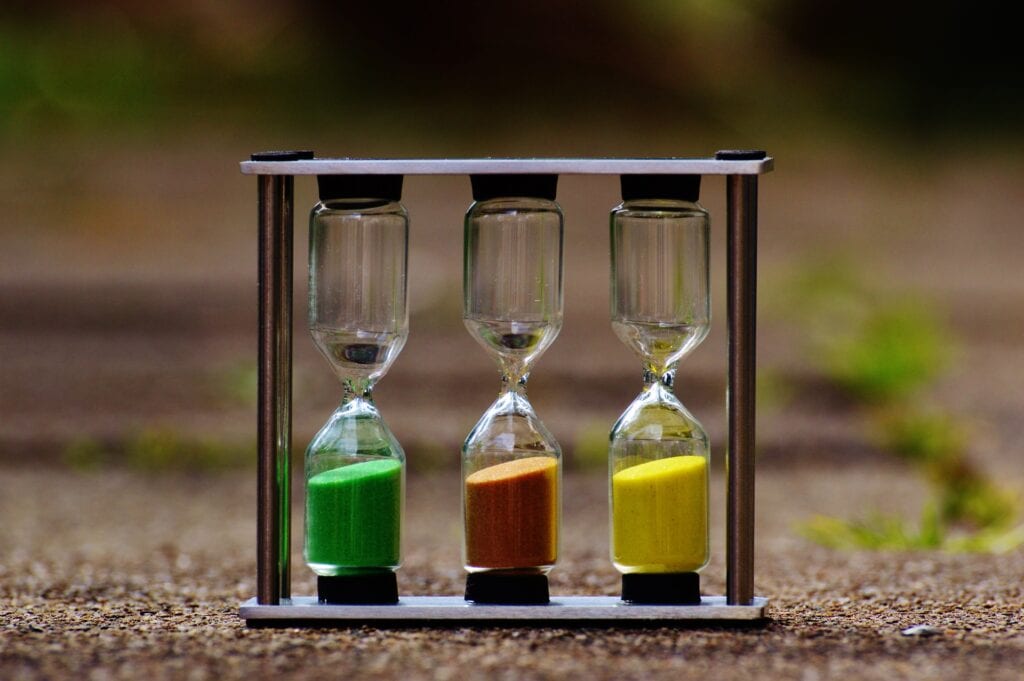
Sometimes I feel as if I’m always in a hurry, rushing from one task to the next with barely a breath between. What’s the rush? It’s as if I think something more important, or something better, is just around the corner – once the dishes are done, that is.

Like most children of the seventies I had a beloved collection of Ladybird books (they’re still on my shelves today, still beloved) and Aesop’s fables were a particular favourite.  For here be villagers crying wolf, foxes without tails, geese atop golden eggs. And a tortoise who won the race. Needless to say most of Aesop’s clever morals passed me by for some time, I even identified more closely with the hare (I was a sprinter, so obviously it is the fastest who wins) and simply resolved never to fall asleep during a race and thus allow a slower contestant to overtake.

With apologies to bookworms – I wrote on the cover with felt tip pen. Oh the ignorance of youth.

But soon enough I worked it out: kindness often gets things done more quickly than force; it is wiser to be content with what you have. And the race is not always to the swift.

Slow and steady is the key. Like the pre-schoolers of Mischel’s Marshmallow Test in the early seventies at Stanford, we try to learn patience, delaying gratification so that appreciation follows. Rather than rushing through life trying to get to something else I can treasure small moments, listen to birdsong, maybe even enjoy washing the dishes. In short, I can be here. Now.

R.S. Thomas was right – life is not hurrying on to a receding future, nor hankering after an imagined past. It is life and it is now. Likewise with lockdown easing, vaccine rollout, getting back to ‘normal’ – slow and steady wins the race. We’ll get there.

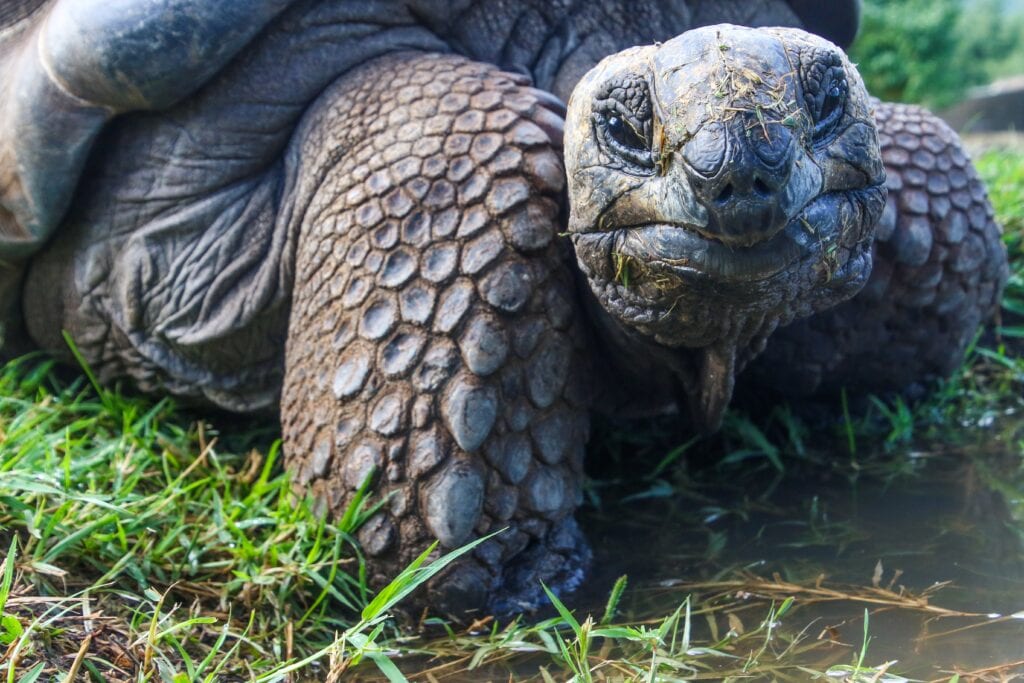
And waiting at the finish line will be a happy tortoise who reaches out his wrinkly hand to congratulate us on our slow journey and shared wisdom.

Watch a video reading of ‘The Bright Field’ by R.S. Thomas, from The Emergency Poet edited by Deborah Alma, Michael O’Mara Books, 2015, p.163